Planning a safari from Nairobi, Mombasa, or from the diaspora in Dar es Salaam or London? You want sample Kenya safari itineraries for Swahili speakers that respect how you actually travel. Not a translated brochure. A route plan that speaks your language, knows the parks by their real names, and tells you when the crowds are thick and when the bush is quiet.
Karibu. This guide lays out honest day-by-day plans for 3, 5, 7, and 10 day trips. It covers the classic Masai Mara and Amboseli loop, the Great Migration season, and beach extensions to Diani or Lamu. You get park names in Swahili where they differ, cost ranges you can stand behind, and the seasonal trade-offs most generic roundups skip.
If this is your first Kenya safari, start with our Kenya Safari Planning for Swahili Speakers page. It covers visas, park fees, and what to pack.
How Is a Kenya Safari Itinerary Structured?
A typical Kenya safari day runs on a rhythm governed by wildlife, not clocks. Most camps and lodges follow this pattern:
- Wake before sunrise, around 5:30 to 6:00 a.m. Game drives start at dawn because predators are most active in the cool morning hours.
- Morning drive for 3 to 4 hours. Return to camp for a late breakfast.
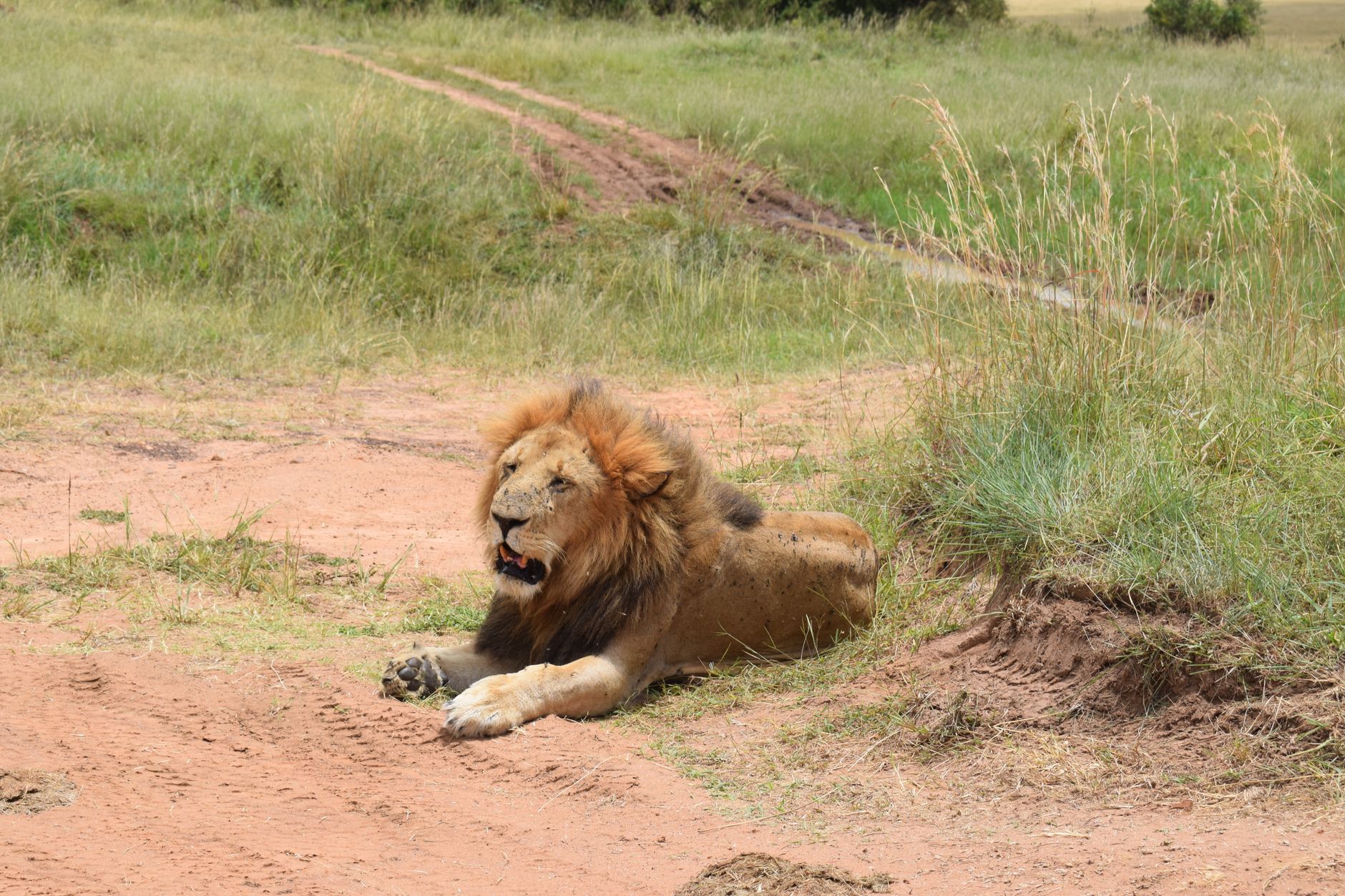
- Midday break during the heat. Lions sleep. So do you. This is lunch, rest, and pool time.
- Afternoon drive from about 4:00 p.m. until dusk. This is when leopard and cheetah often stir again.
- Dinner and early night. No night drives in most national parks. That is the rule and it protects both you and the animals.
Your itinerary strings these days together. It lists which parks you visit, how you move between them (road or small plane), and where you sleep. A good plan leaves buffer time for flight delays and slow drives.
Most Kenya safaris use a fly-in model or a road-based loop. The fly-in option saves transit days but costs more. Road safaris from Nairobi add hours in the vehicle but show you the countryside and keep the price lower.
What Should a 3-Day Kenya Safari Itinerary Include?
Three days is a short window. You can see real wildlife, but you must pick one park and commit. Do not try to cram both the Mara and Amboseli into 72 hours. You will spend more time driving than watching animals.
A smart 3-day sample Kenya safari itinerary looks like this:
Day 1: Fly or drive from Nairobi to Masai Mara. Arrive by midday. Afternoon game drive in the Mara Triangle or the Sekenani area. Overnight at a camp inside the reserve.
Day 2: Full game day. Morning drive on the plains, midday break, afternoon drive near the Talek River where lion prides are common. If you come in July through October, head to the Mara River crossing points.
Day 3: Early morning drive. This is prime predator hour. Return to camp for breakfast, then fly or drive back to Nairobi.
This works. You get two full days of game viewing plus travel days. The Masai Mara guide has more detail on specific areas within the reserve.
Expect to pay more per day on a 3-day trip than on a 7-day one. Fixed costs like flights and park entry spread across fewer days. Daily rates for a mid-range camp on a 3-day fly-in safari run roughly 250 to 400 USD per person per night, including park fees and meals. Road-based options start lower, around 150 to 250 USD.
Can You See the Big Five in a 5-Day Itinerary?
Yes, but with one honest caveat. The Big Five are lion, leopard, elephant, buffalo, and rhino. Leopard is the hardest to guarantee anywhere. Rhino you will only see at specific sites. Understand that, and a 5-day plan can work well.
The classic 5-day sample Kenya safari itinerary for Swahili speakers combines Amboseli and the Masai Mara:
Day 1: Nairobi to Amboseli. Road drive is about 4 hours. Afternoon game drive. Amboseli is famous for elephant herds and the backdrop of Mount Kilimanjaro.
Day 2: Full day in Amboseli. Morning drive for elephants and hippo pools. The observation hill gives you a panoramic view. Swahili name: Amboseli comes from the Maa word “Empusel,” meaning salty place. Locals sometimes just call it Amboseli.
Day 3: Morning drive, then road transfer to Nairobi. Fly from Wilson Airport to Masai Mara in the early afternoon. Late afternoon game drive.
Day 4: Full day in the Mara. Focus on the riverine woodland for leopard and the open plains for cheetah. If migration season, watch for wildebeest crossings.
Day 5: Morning drive, breakfast, fly back to Nairobi.
Planning a 5-day road-based version without the internal flight is possible but adds about 6 hours of driving on Day 3. That eats your game time. The Amboseli safari guide explains why that park pairs so well with the Mara.
What Is the Ideal 7-Day Kenya Safari Route?
Seven days is the sweet spot for a first-time safari. You can cover two or three parks without rushing. You see more habitat variety, which means more species.
A well-rounded 7-day sample Kenya safari itinerary for Swahili speakers:
Day 1: Arrive Nairobi, overnight at a hotel near Wilson Airport.
Day 2: Fly to Masai Mara. Afternoon drive.
Day 3: Full day in the Mara. Game drives morning and afternoon.
Day 4: Morning drive, then fly to Nanyuki for Ol Pejeta Conservancy. Afternoon visit to the rhino sanctuary.
Day 5: Full day at Ol Pejeta. This is your best shot at seeing both black and white rhino. The conservancy also has chimpanzees and the last two northern white rhinos on Earth.
Day 6: Drive from Ol Pejeta to Amboseli via Nairobi, about 6 hours with stops. Check in and sunset drive.
Day 7: Early morning Amboseli drive, then fly or drive back to Nairobi.
This route gives you three very different ecosystems: the open savanna of the Mara, the ranchlands and rhino pens of Ol Pejeta, and the swamps of Amboseli. For a closer look at the rhino conservancy, check the Ol Pejeta Conservancy guide.
Is a 10-Day Safari Too Ambitious?
Ten days is not too ambitious. It is the right length for a proper Kenya safari plus a beach extension. This is the itinerary that most East African families and diaspora travelers choose.
A 10-day sample Kenya safari itinerary for Swahili speakers with a Mombasa or Diani finish:
Day 1: Arrive Nairobi. Rest.
Day 2: Fly to Masai Mara. Game drive.
Day 3: Full day in the Mara, including a visit to a Maasai village if you want culture alongside wildlife.
Day 4: Morning drive. Fly to Lake Nakuru for flamingos and rhino.
Day 5: Full day at Lake Nakuru National Park. The Lake Nakuru guide details the reserve’s special rules.
Day 6: Drive to Amboseli via Nairobi. It is a long day on the road, so plan for a late-afternoon arrival and a relaxed evening rather than a full game drive.
Day 7: Full day in Amboseli. Kilimanjaro views at sunrise are the highlight.
Day 8: Morning drive, then fly Amboseli to Mombasa via Nairobi. Afternoon at the beach.
Day 9: Full beach day at Diani. Snorkeling, dhow trips, or just rest.
Day 10: Morning at the beach, then fly home from Mombasa.
The Diani Beach guide has details on reef trips and where to stay. This itinerary gives you three full safari days, several half-day drives worked around travel, and two beach days, with realistic travel.
What Is the Best Time of Year for These Itineraries?
The dry season from late June to October is peak season. This is when wildlife concentrates around water sources, so game viewing is easier. It is also the Great Migration window in the Masai Mara, with river crossings most frequent from late July through September. Expect higher prices and packed camps.
The green season from November to May has lush scenery, newborn animals, and fewer tourists. Rain usually falls in short afternoon bursts, not all day. January and February are drier within the green season and offer excellent value. April and May are the wettest months and some camps close.
For a detailed breakdown of month-by-month weather and wildlife, see the best time to visit Masai Mara guide.
How Much Do Sample Kenya Safari Itineraries for Swahili Speakers Cost?
Costs vary widely. Here is a realistic range based on what operators actually charge in 2026. All figures are per person per day and include park fees, meals, a 4×4 with pop-up roof, and a driver-guide. Drinks and tips are extra.
| Trip Length | Budget Camps | Mid-Range Camps | Luxury Camps |
|---|---|---|---|
| 3-day road safari | 120 to 180 USD | 180 to 280 USD | 350 to 600 USD |
| 5-day mix (road + flight) | 150 to 220 USD | 250 to 400 USD | 500 to 900 USD |
| 7-day fly-in safari | 170 to 250 USD | 300 to 450 USD | 600 to 1,200 USD |
| 10-day safari + beach | 150 to 230 USD | 280 to 420 USD | 550 to 1,100 USD |
Park entry fees are separate from these camp rates. The Masai Mara National Reserve fee is set by the Narok County Government, not Kenya Wildlife Service. It runs USD 100 per adult per day from January through June. From July through December, during peak migration season, it rises to USD 200 per adult per day. Conservation fees at private conservancies like Mara North and Naboisho go directly to local Maasai landowners. That is money working for the community.
For a full cost breakdown, read the Kenya safari cost guide.
Should You Self-Drive or Use a Tour Operator?
For most Swahili-speaking travelers planning a first safari, a tour operator wins. Here is why:
- Self-driving in Kenya’s parks is legal but requires a 4×4 high-clearance vehicle. Renting one costs 100 to 200 USD per day before fuel.
- You handle navigation, park permits, and breakdown risk yourself.
- A driver-guide doubles as a spotter. They hear the lions, smell the buffalo, and know where the leopard waited yesterday.
- Guides know the conservancy rules, which differ from national park rules.
Self-driving suits experienced overlanders who have done bush driving before. If that is not you, book with an operator. The Kenya Safari Planning for Swahili Speakers page has a checklist for vetting operators.
How Do You Add Samburu to These Itineraries?
Every itinerary above can be extended with an extra night in the Mara or a detour to Samburu National Reserve in the north. Samburu is dry and hot, home to the reticulated giraffe, Grevy’s zebra, and the Somali ostrich, species you will not see in the south. It adds a day of driving from Nairobi, roughly 5 to 6 hours each way. The Samburu safari guide explains its unique wildlife.
Which Parks Should You Combine for the Big Five?
If Big Five is your goal, here is the honest math. The Masai Mara gives you lion, leopard, elephant, and buffalo. That is four of five. Rhino is rare inside the Mara reserve itself. To complete the set, add Ol Pejeta Conservancy (two rhino species) or Lake Nakuru (white rhino). Both are day additions from the Mara-Nairobi corridor.
Avoid Tsavo West alone for a Big Five trip. It has lions and elephants but leopard and buffalo are spread thin over a huge area. The Tsavo safari guide covers that region for travelers who want its wild feel.
Kenya au Tanzania, Ni Ipi Bora kwa Safari?
This is a common question from Swahili speakers. Short answer: both are excellent. Kenya’s advantage is variety in a smaller area. You can see the Mara, Amboseli, Ol Pejeta, and a beach in 10 days without long internal flights. Tanzania’s Serengeti is bigger and the calving season (January to February) is spectacular. But distances between parks are longer.
For the migration river crossings at the Mara River, Kenya is the right choice in July through October. For calving season on the Serengeti plains, Tanzania wins. Many travelers do both over two visits. For a first safari with limited time, Kenya’s compact routes serve you better.
How Do You Start Planning Your Safari?
These sample Kenya safari itineraries for Swahili speakers give you a realistic blueprint. The next step is comparing operators who will quote you an honest price for your dates. One operator will charge 300 USD a day for a camp another charges 400 USD for the same quality. That difference is profit, not quality.
To compare safari operators and browse packages that match these routes, visit FindMySafari, Valley Safaris, or Trunktrails Safaris. They list vetted operators with transparent pricing. Compare at least three quotes before you commit, and ask each one which conservancy they use in the Mara. The answer tells you whether they know the bush or just the brochure.
Where Can You Find More Safari Planning Resources?
- Kenya wildlife tours from Trunktrails Safaris
- Nairobi to Maasai Mara route guide from Valley Safaris
- Big Five safari collection on FindMySafari
More safari planning resources
- Kenya safari packages from SafariPure
- Kenya wildlife tours from Trunktrails Safaris
- Nairobi to Maasai Mara route guide from Valley Safaris
- Big Five safari collection on FindMySafari
Related guides: Amboseli Elephants Guide: Kenya’s Most Iconic Safari Experience, Amboseli in March: What to Expect in a Transition Month, Amboseli vs Tsavo: Which Kenya Park Should You Include?.